
How to Improve Financial Literacy Without Losing Your Mind
Why Half of American Adults Can’t Answer Basic Money Questions
Improve financial literacy and you change almost every part of your financial life — from how you handle debt to how confidently you plan for retirement.
Here are the fastest ways to get started:
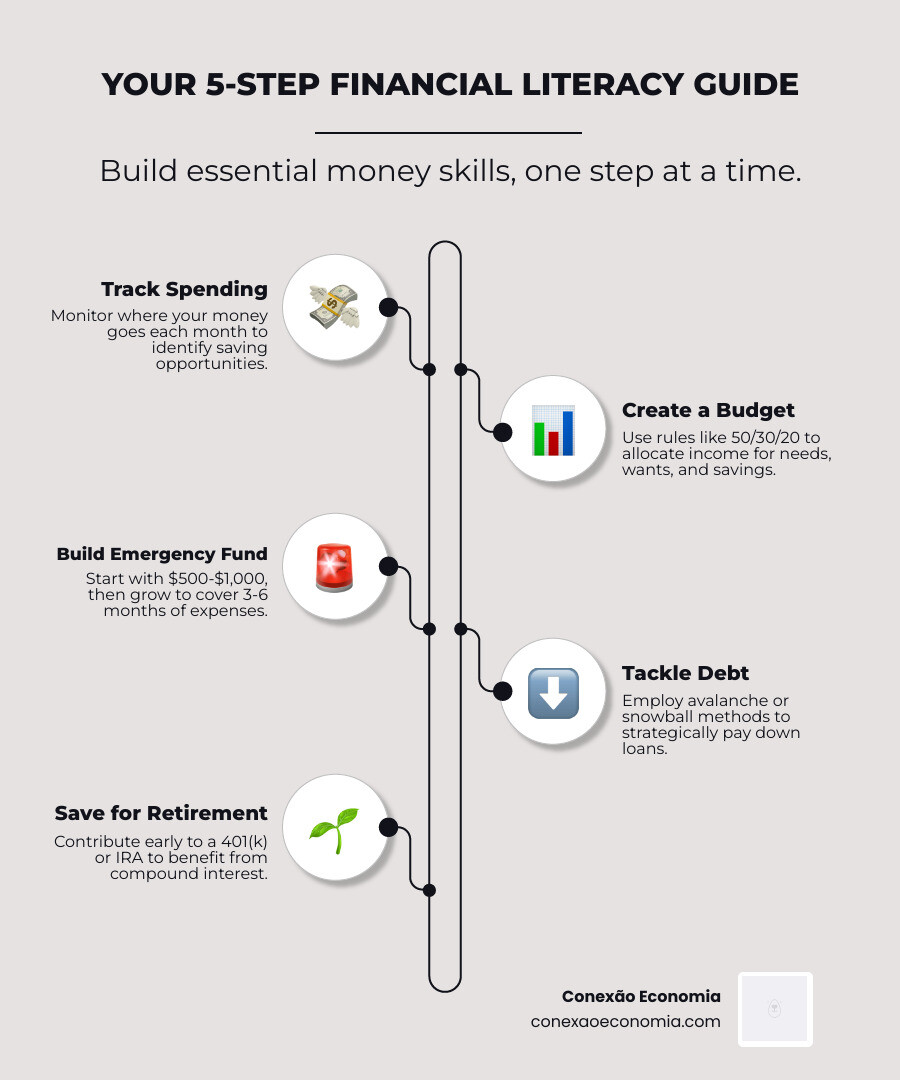
- Track your spending — Know where every dollar goes each month
- Build a budget — Use the 50/30/20 rule (50% needs, 30% wants, 20% savings)
- Start an emergency fund — Aim for $500–$1,000 first, then build to 3–6 months of expenses
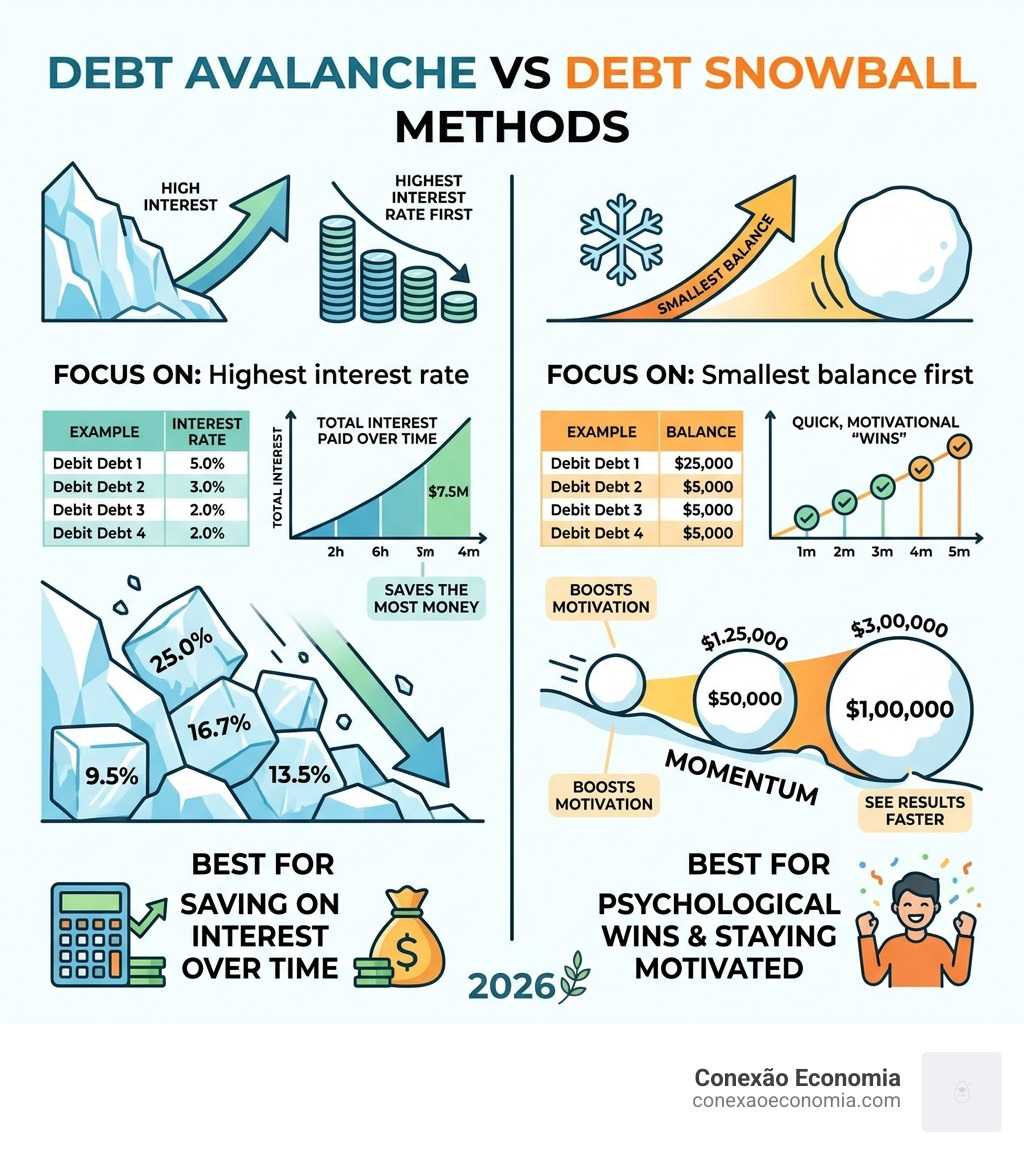
- Tackle debt strategically — Use the avalanche or snowball method to pay it down
- Keep learning — Read trusted books, follow credentialed experts, and take free online courses
- Check your credit — Monitor your score and keep utilization low
- Start saving for retirement early — Contribute to a 401(k) or IRA as soon as possible
Here’s a sobering fact: U.S. adults correctly answered only 49% of basic money questions on the Personal Finance Index. That’s not a fringe group — that’s most people.
And it’s not because people are careless. It’s because most of us were never properly taught this stuff.
Financial literacy isn’t a personality trait. It’s a skill. And like any skill, you can build it — one step at a time, without drowning in jargon or complicated spreadsheets.
Whether you’re juggling student loans, trying to stop living paycheck to paycheck, or just wondering where your money actually goes — this guide is for you.
Why You Need to improve financial literacy in 2026
As we navigate through April 2026, the landscape of personal finance is shifting faster than ever. The days of relying on a guaranteed company pension are largely over, replaced by self-directed 401(k)s and IRAs that require us to be our own investment managers. According to Scientific research on the P-Fin Index and basic money knowledge, financial literacy levels in the U.S. remain stagnant despite the massive amount of information available online.

Why does this matter for you? Because financial literacy is the bedrock of financial health. It’s not just about knowing how to balance a checkbook; it’s about having the resilience to survive an economic downturn and the wisdom to grow your wealth over time.
- For Youth and Students: Statistics show that teens earn an average of $450 a month, yet many don’t receive formal financial education until their senior year of high school. Starting early helps build impulse control and better decision-making habits.
- For Military Families: Financial readiness is a matter of mission success. Understanding military-specific benefits and managing frequent moves requires a high level of financial capability.
- For Older Adults: As we age, protecting our hard-earned savings from inflation and fraud becomes the top priority.
Improving your financial literacy is the ultimate “life hack.” It reduces the stress of surprise bills and gives you the freedom to make choices based on your values, not just your bank balance.
Master the Core Habits of Money Management
To improve financial literacy, we must move past theory and into habit. Think of money management like physical fitness: you don’t get in shape by reading a book about the gym; you get in shape by showing up and doing the work.
One of the most effective frameworks we recommend is the 50/30/20 rule. It’s a simple way to categorize your income without needing a PhD in accounting:
- 50% for Needs: Housing, groceries, utilities, and minimum debt payments.
- 30% for Wants: Dining out, hobbies, and that streaming service you forgot to cancel.
- 20% for Savings and Debt Repayment: Emergency funds, retirement contributions, and extra payments on high-interest loans.
Practical Steps to improve financial literacy Through Budgeting
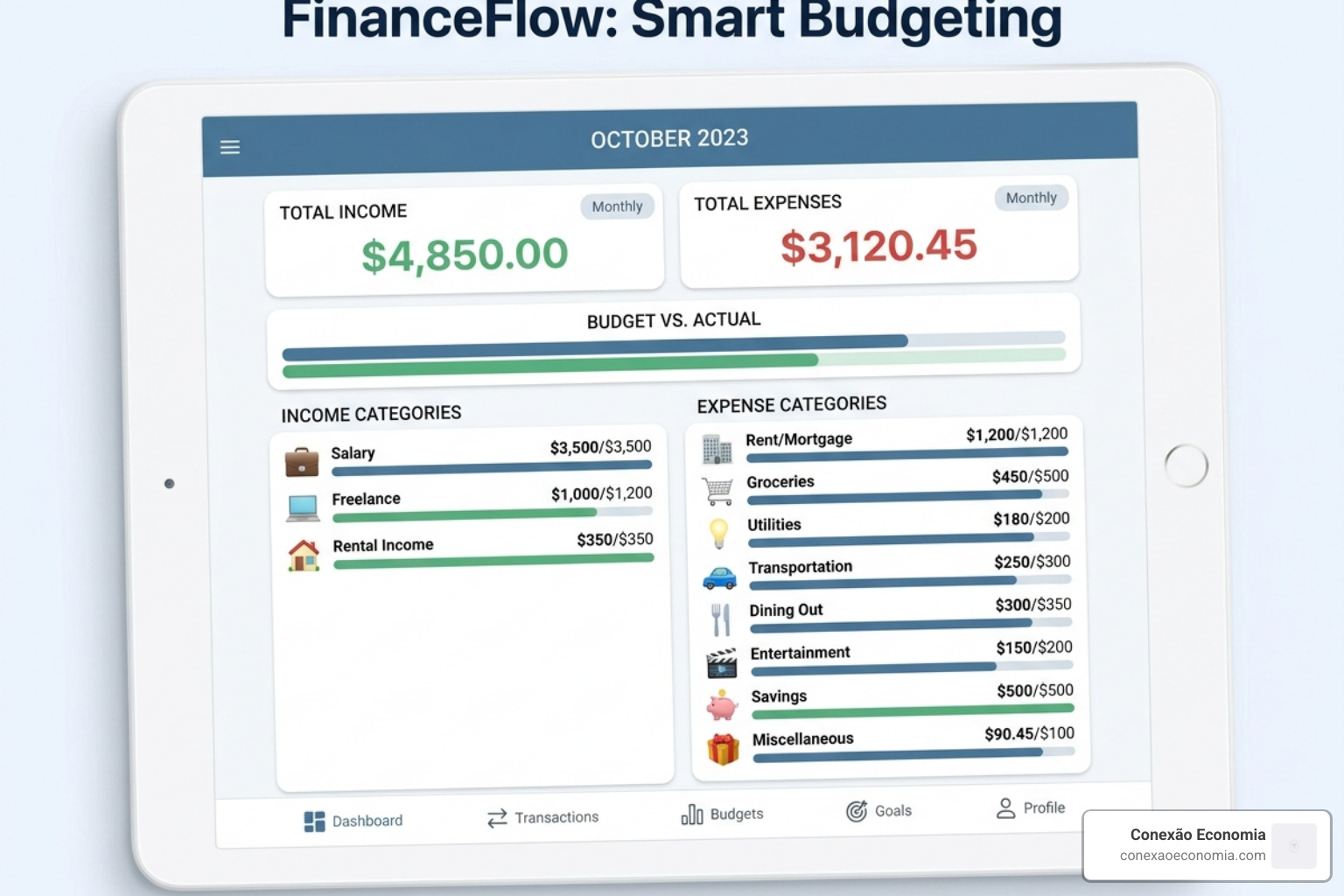
The first step to mastering your money is knowing where it’s going. We often find that “hidden expenses”—like small daily subscriptions or convenience fees—can drain hundreds of dollars a month without us noticing.
- Track Every Dollar: For at least 30 days, record every transaction. You can use an app, a spreadsheet, or even a notebook.
- Automate Your Success: Set up a direct deposit so a portion of your paycheck goes straight into a savings account before you even see it.
- Use High-Yield Accounts: Don’t let your emergency fund sit in a standard checking account earning 0.01%. Look for high-yield savings accounts that offer better interest rates, helping your money keep pace with inflation.
Building a Safety Net and Retirement Fund
We cannot talk about financial security without mentioning the “Emergency Fund.” Most experts recommend saving three to six months of essential expenses. If that feels overwhelming, start with a goal of $1,000. This small cushion can turn a “catastrophic” car breakdown into a mere “inconvenience.”
When it comes to the future, compound interest is your best friend. If you start saving for retirement in your 20s, every dollar has decades to grow. Even if you can only contribute a small amount to your employer’s 401(k), do it—especially if they offer a “match.” That is essentially a 100% return on your investment immediately!
Strategies for Debt, Credit, and Long-Term Security
Debt is one of the biggest hurdles to financial freedom. As of late 2025, Americans owed a staggering $1.23 trillion in credit card debt, with interest rates (APR) often hovering around 24%. To improve financial literacy, you must understand how to navigate these traps.
| Method | Strategy | Best For |
|---|---|---|
| Debt Avalanche | Pay off the debt with the highest interest rate first. | Saving the most money on interest over time. |
| Debt Snowball | Pay off the smallest balance first to gain momentum. | People who need psychological wins to stay motivated. |
Your credit score is another vital component. It’s essentially a grade of how well you handle borrowed money. To keep your score high, pay your bills on time every month and keep your “credit utilization”—the amount of your limit you actually use—below 30%.
Modern Resources to improve financial literacy Today
In 2026, you don’t need to go back to college to learn about finance. There are incredible, free resources at your fingertips:
- Podcasts: Great for learning while you commute or do chores.
- Newsletters: Subscribe to reputable financial publications to get bite-sized tips in your inbox.
- Webinars and Courses: Many non-profits and libraries offer free workshops on budgeting and investing.
A word of caution: 42% of young adults turn to social media for financial advice. While there are great creators out there, always verify credentials. Look for experts who are Certified Financial Planners (CFP) or Registered Investment Advisors (RIA) to ensure the advice is objective and professional.
Protecting Your Wealth from Scams and Fraud
Improving your financial knowledge also means learning how to protect what you have. Fraud is becoming increasingly sophisticated, with relationship scams and identity theft costing individuals billions every year.
One major change to be aware of: as of September 30, 2025, the federal government has phased out paper checks for most payments in favor of electronic methods. While this is more efficient, it also means you need to be vigilant about your digital security.
- Monitor Your Credit: Use free services to check your credit report at least once a year for unauthorized accounts.
- Use Multi-Factor Authentication (MFA): Always enable MFA on your banking and investment apps.
- Be Skeptical: If an investment opportunity sounds “too good to be true” or requires you to act immediately, it’s likely a scam.
Frequently Asked Questions about Financial Literacy
How long does it take to improve financial literacy?
You can learn the basics—like how to build a budget and understand interest rates—in just a few weeks of consistent reading. However, true financial capability is a lifelong journey. As your life changes (marriage, kids, retirement), you’ll need to learn new skills to match those stages.
Can financial literacy actually save me money?
Absolutely. By understanding how APR works, you can avoid high-interest debt. By knowing how to compare insurance policies or investment fees, you can keep more of your earnings. Literate individuals are also less likely to pay late fees or fall for costly financial scams.
What are the best tools for beginners to track progress?
Start simple. Banking apps often have built-in spending trackers. For more detail, use a dedicated budgeting app or a simple Excel template. The “best” tool is simply the one you will actually use every day.
Conclusion
At Conexão Economia, we believe that everyone deserves to feel confident about their money. You don’t need to be a math whiz to improve financial literacy; you just need the willingness to start. By tracking your spending, building an emergency fund, and staying curious about how money works, you are taking the first steps toward a more secure and free future.
Don’t let the 49% statistic define you. Start small, stay consistent, and watch your financial confidence grow. Start your journey to better money management with Conexão Economia today and take control of your financial destiny.
